
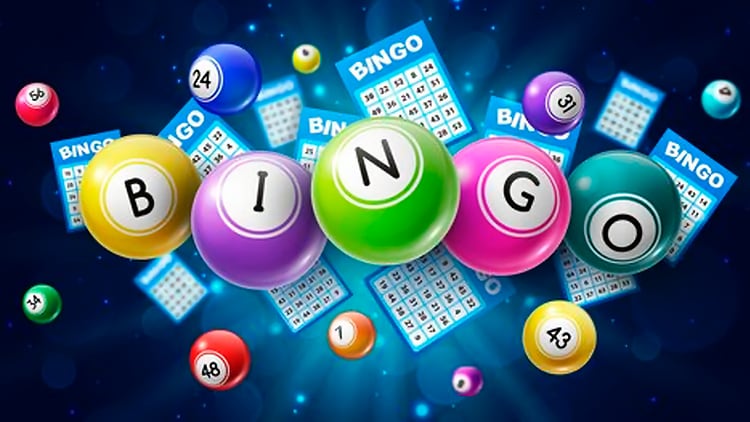
Introduction to Bingo
Bingo is one of the world’s most recognizable games of chance. It’s simple, fast-paced, and suitable for all ages. Traditionally played in community halls and charity events, the game has also evolved into a major online entertainment option enjoyed by millions across the globe.
Whether you’re exploring Bingo for fun, social engagement, or competitive excitement, understanding how it works helps you enjoy the experience even more.
How Bingo Works
Basic Objective
The goal of Bingo is straightforward:
Match the numbers on your card with the numbers drawn.
The first player to complete a winning pattern and call out “Bingo!” wins.
Bingo Cards
A typical Bingo card includes:
- A 5×5 grid
- Columns labeled B-I-N-G-O
- Random numbers in each column
- A free space at the center (in many versions)
Number Calling
Players listen for numbers announced by the caller. As each number is drawn:
- You mark it on your card.
- Once you complete the required pattern, you alert the caller immediately.
Popular Bingo Variants
75-Ball Bingo
Common in North America, featuring:
- A 5×5 card
- Various winning patterns such as lines, letters, corners, or full house
90-Ball Bingo
Popular in the UK and much of Europe, featuring:
- A card of three rows and nine columns
- Three main prize stages:
- One line
- Two lines
- Full house (all numbers)
80-Ball Bingo
Designed for online platforms.
Features:
- A 4×4 grid
- Color-coded columns
- Faster gameplay
30-Ball “Speed Bingo”
A rapid-fire version perfect for quick sessions:
- A 3×3 grid
- Often completed in under a minute
Common Winning Patterns
Depending on the game type, patterns may include:
- Horizontal line
- Vertical line
- Diagonal line
- Four corners
- Full house (cover all numbers)
- Special shapes such as letters, diamonds, or crosses
How to Improve Your Chances
While Bingo is a luck-based game, a few strategies can enhance your enjoyment and odds:
Choose Less Crowded Games
Fewer players often increase your probability of winning.
Use Multiple Cards
Managing several cards can improve number-matching chances.
Play During Off-Peak Hours
Online Bingo rooms are usually quieter during mornings or weekdays.
Stay Focused
Missing a called number can cost a winning opportunity.
Understand the Game Rules
Different rooms and platforms may use unique patterns or prize structures.
Why Bingo Remains Popular
Bingo appeals to a wide audience because it blends:
- Simplicity — easy to learn
- Social interaction — especially in halls and community events
- Excitement — fast-paced number calling
- Versatility — works in offline and online environments
- Community engagement — often played at fundraisers and charity events
Its accessibility and light-hearted nature make it a timeless classic.
Frequently Asked Questions (FAQ)
1. Can Bingo be played alone or only in groups?
You can play individually online, but traditionally it’s a group activity where multiple players compete for the same prizes.
2. Do all Bingo games have a free space in the center?
No. The free space is standard in 75-ball Bingo but not used in 90-ball or 30-ball versions.
3. Are Bingo wins based purely on luck?
Mostly yes. Unlike strategy-heavy games, Bingo relies on random number draws, though card quantity and timing can influence outcomes.
4. Is Bingo suitable for children?
Yes, non-gambling Bingo is commonly used in schools and parties as an educational or recreational activity.
5. How long does a typical Bingo game last?
Games can last anywhere from one to ten minutes, depending on the variant and pattern.
6. Can you play Bingo for free online?
Many platforms offer free rooms or demo versions where you can practice without spending money.
7. What happens if two players call Bingo at the same time?
The prize is usually split unless the rules specify a tiebreaker.
